
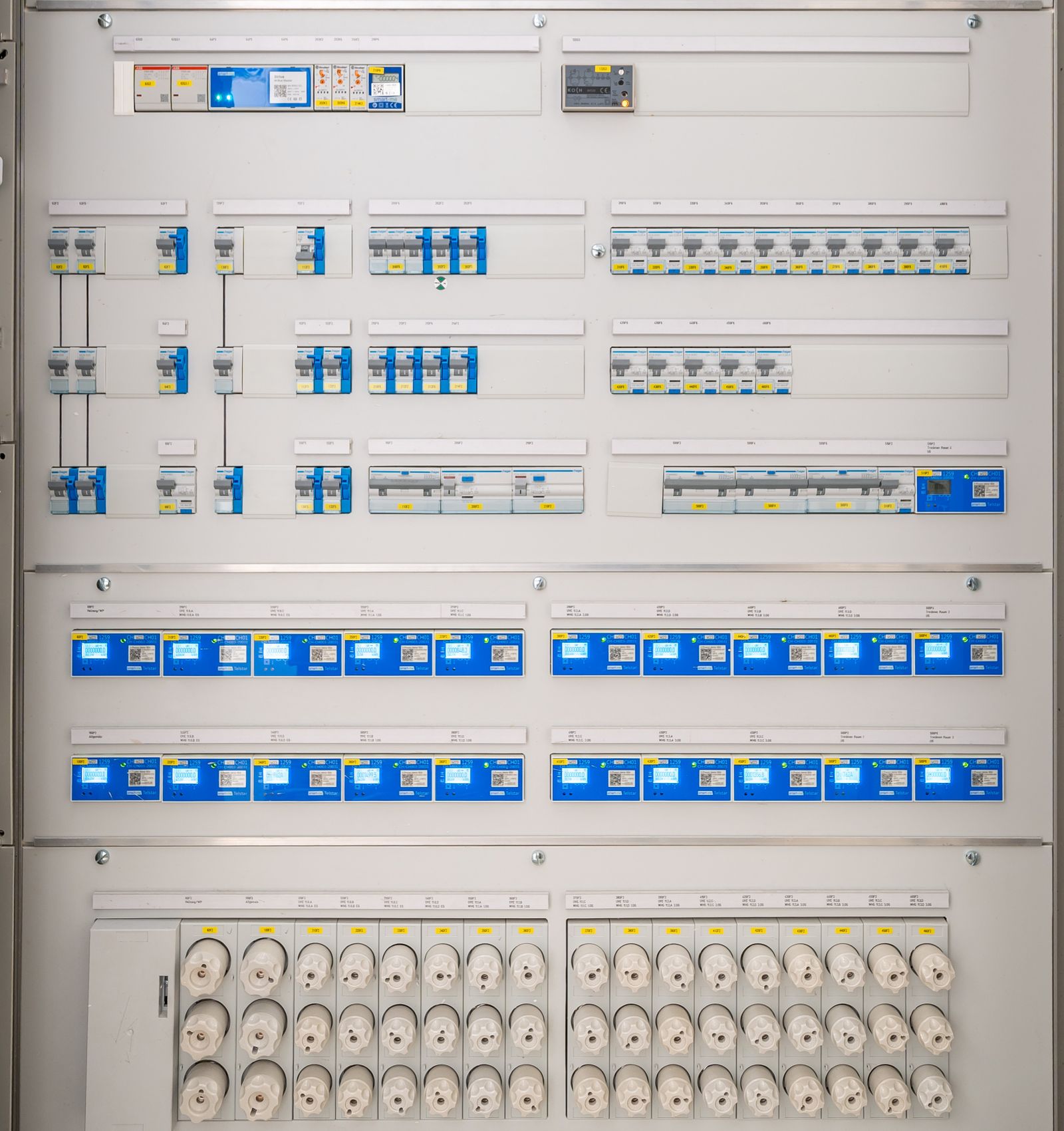
What an infrared electrical inspection can tell your maintenance team
An electrical problem does not always announce itself with a tripped breaker or an equipment shutdown. A developing connection problem may first appear as an unusual heat pattern. Infrared electrical inspections help facility teams locate those patterns so they can investigate concerns and plan corrective work.
The most useful outcome is a clear maintenance decision: which equipment needs attention, what additional information is needed and how the finding fits your operating priorities. A thermal image supports that decision, but it does not explain every possible electrical defect.
Which equipment is typically included?
A survey can cover accessible electrical distribution equipment such as switchgear, panels, breakers, disconnects, motor control centers and transformer connections. The agreed equipment list matters. A survey of selected production equipment is different from a facility-wide inspection.
Before booking service, identify the buildings and assets you want included. Ask how inaccessible equipment and equipment that is not operating will be recorded. That distinction prevents an uninspected asset from being mistaken for an inspected asset with no reported concern.
What kinds of findings may appear?
Thermography can reveal localized heating at a connection, differences between comparable components and unusual temperature patterns across equipment. Those observations may prompt investigation of a connection problem, loading condition or equipment issue. The pattern alone should not be treated as proof of a particular cause.
For example, imagine a facility receives a finding for a warm motor feeder. The practical next question is whether the operating conditions explain the pattern or whether additional examination is needed. Recording the asset identity, operating context and recommended follow-up makes that discussion more useful than sharing an unlabeled image. This is an illustrative scenario, not a Colvin project example.
Why operating conditions affect the results
A lightly loaded circuit may not show the same heating behavior it shows during production. Surface characteristics, reflections, viewing angle and access also affect interpretation. Camera manufacturers describe thermography as a screening method that needs appropriate load conditions and follow-up verification; it is not a stand-alone measurement of root cause. See Testo’s electrical thermography guidance.
Tell the inspection provider when the relevant equipment normally runs. If your refrigeration system, manufacturing line or commercial building has distinct operating periods, discuss those periods before setting the inspection date. The provider can then identify what can reasonably be evaluated during the visit.
What infrared inspections can miss
Thermal imaging does not see through every enclosure, prove insulation integrity or replace all electrical testing. An obstructed component, an idle load or a defect without a detectable surface-temperature pattern may limit what can be concluded. An acceptable-looking image is not a guarantee that equipment is free of every fault.
That is why facilities may combine infrared thermographic inspections with a separate scope of electrical testing and commissioning services. The appropriate combination depends on the equipment and the question the maintenance team needs answered.
Turn the report into a follow-up plan
Ask for findings that can be connected to an asset in your maintenance system. A useful review covers the observation, inspection conditions, limitations and recommended next action. Assign responsibility for follow-up and retain the report so future inspections can be compared with earlier findings.
Keep inspection and repair responsibilities clear. Qualified personnel should determine safe access and work methods; facility staff should not remove covers or approach exposed energized components simply to prepare for a scan.
Arrange an inspection around your facility’s needs
Colvin Infrared supports facilities in Portland, Eugene and Spokane, along with other communities across Oregon, Washington and Idaho. Share your equipment list, known concerns and operating schedule when requesting service.
Contact Colvin Infrared to discuss an infrared electrical inspection and establish a scope that gives your maintenance team useful next steps.
Featured image: smart-me AG · Pexels License. Stock photograph used for illustration.
