
Build an inspection schedule around the equipment and the maintenance program
“How often should we schedule an infrared electrical inspection?” is a practical question, but a date on a calendar is only part of the answer. The schedule needs to fit the equipment, the facility’s maintenance requirements and the operating conditions that make the inspection useful.
Start by separating two decisions: the intervals required by the maintenance program and whether a particular asset needs additional attention between routine inspections. A known concern or a significant operational change should be evaluated on its own merits rather than automatically waiting for the next calendar date.
Where NFPA 70B fits
NFPA 70B, Standard for Electrical Equipment Maintenance, addresses maintenance of electrical equipment. Facilities should use the applicable edition and relevant equipment requirements when establishing their programs, alongside manufacturer instructions and other requirements that apply to their operations.
Do not treat a general blog article as the inspection-interval table for your facility. Have the person responsible for the electrical maintenance program verify the relevant requirements, document the selected intervals and identify the triggers for additional inspection. This approach also gives purchasing and operations staff a clear basis for scheduling service.
Review condition, environment and operating changes
Give the service provider an accurate picture of the equipment. Useful context includes prior findings, completed repairs, changes in electrical demand, environmental exposure and any equipment that has been added or moved. These details help the team identify questions that a routine date alone would overlook.
- Previous concerns: Which findings remain open, and which repairs need follow-up?
- Changed operations: Has production expanded or shifted to different operating hours?
- Facility conditions: Are some assets exposed to moisture, contamination or other demanding conditions?
- Business consequences: Which assets serve critical processes with limited alternatives?
These are planning inputs, not permission to extend an interval that a governing requirement or manufacturer specifies. Any scheduling decision should remain consistent with the facility’s established program.
Choose a useful operating window
An inspection can be on time yet poorly matched to facility operations. If a production line is idle during the visit, the provider may not be able to observe the same conditions present during a normal shift. Discuss seasonal production and intermittent loads before confirming the appointment.
For example, a processing facility preparing for a busy season might coordinate an operating inspection early enough to review findings before its planned maintenance shutdown. That is a scheduling concept, not a universal inspection interval. The right lead time depends on access, review needs, parts and outage availability.
Plan what happens between inspections
Keep a record of completed surveys, open recommendations and equipment changes. Name the person who reviews new concerns and decides whether the inspection or testing scope needs to change. Without that ownership, a recurring appointment can become disconnected from the maintenance work it is supposed to support.
Also distinguish thermography from other maintenance tasks. An infrared inspection does not automatically complete breaker maintenance, transformer diagnostic testing or every requirement in an electrical maintenance program. Scope those activities separately and coordinate them when doing so benefits the facility.
Make the next scheduling conversation specific
When requesting infrared inspection services, provide the date of the last survey, the equipment inventory, unresolved findings and your next suitable operating window. Ask what information the provider needs to define the visit and how follow-up recommendations will be communicated.
Colvin Infrared serves facilities across Oregon, Washington and Idaho. Contact our team to plan your next inspection around the maintenance requirements and operating priorities of your facility.
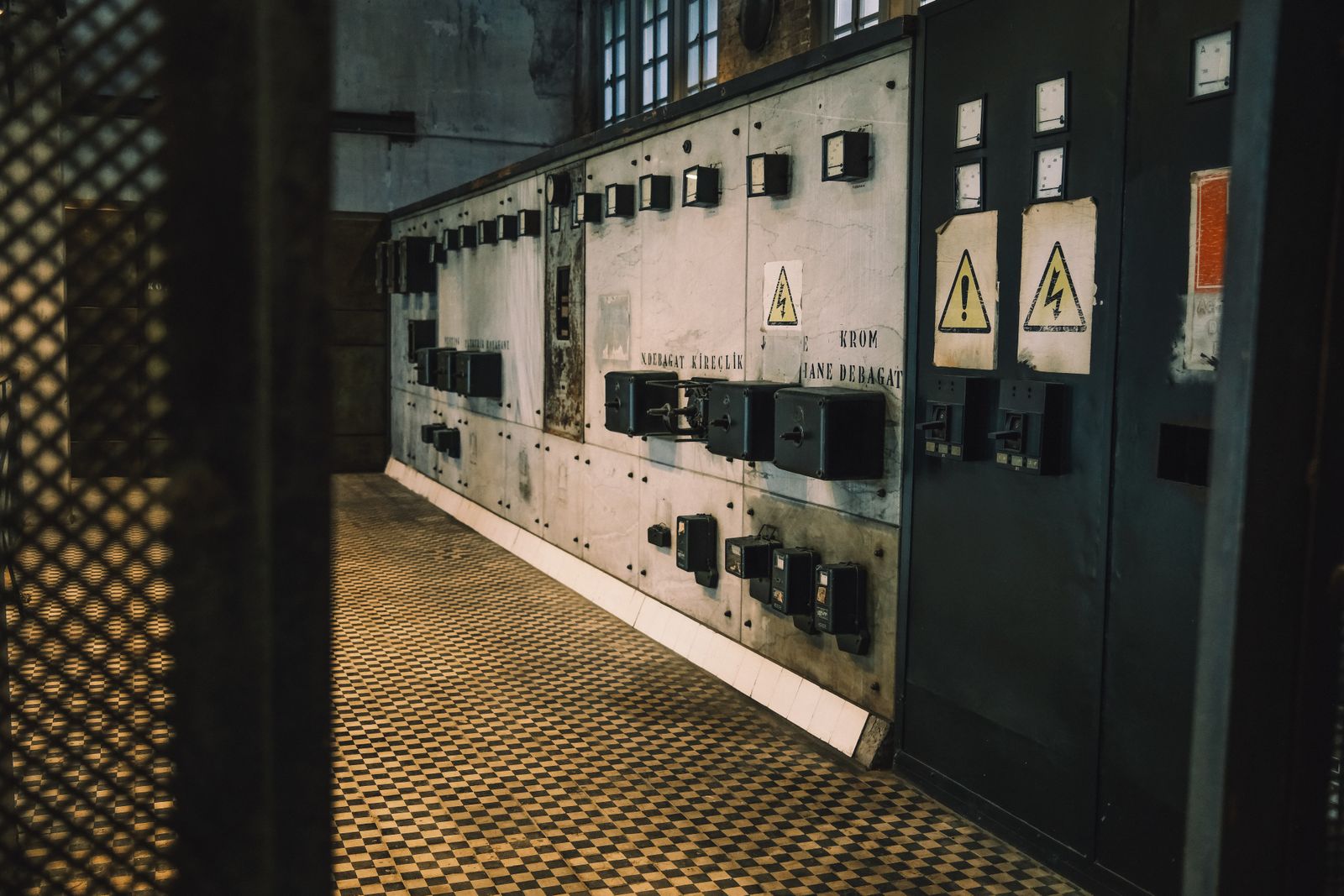
Featured image: Sami TÜRK · Pexels License. Stock photograph used for illustration.
