
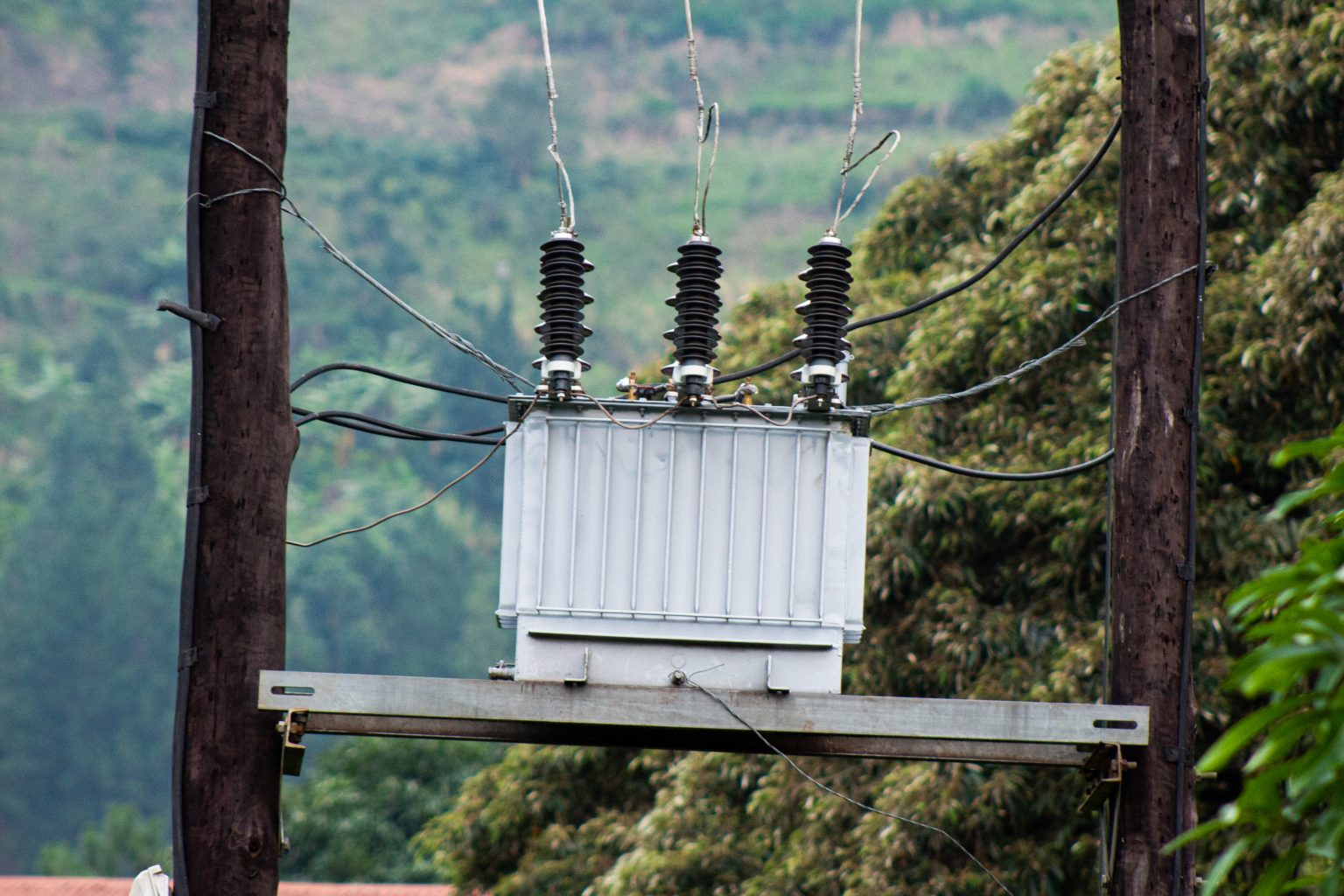
Use transformer oil testing to ask better maintenance questions
When an oil-filled transformer supplies an important facility load, its condition deserves more attention than a quick check of whether power is still available. Transformer oil testing and dissolved gas analysis can provide information that helps a maintenance team investigate changes and plan further evaluation.
The goal is not to turn a laboratory report into a simple pass-or-fail label. It is to understand what the results suggest, what context is missing and what action is appropriate for that particular transformer.
What is dissolved gas analysis?
Dissolved gas analysis, commonly called DGA, measures gases in an insulating-liquid sample. The gas pattern can provide evidence associated with thermal or electrical stress inside oil-filled equipment. The National Institutes of Health’s DGA technical bulletin explains how laboratory analysis identifies gases and supports assessment of transformer condition.
A gas result should be interpreted by someone qualified to evaluate the transformer and its fluid. A single number, separated from equipment information and operating history, is not enough to establish a complete diagnosis.
Oil testing and DGA answer different questions
DGA is one part of the available testing picture. Other selected fluid tests can examine characteristics such as moisture, dielectric behavior and acidity. The appropriate test package depends on the equipment, insulating liquid, existing concerns and maintenance objectives.
Ask which tests are included in the proposed scope and what each is intended to clarify. “Oil testing” can describe different laboratory packages, so the name alone does not tell you whether the requested information will be produced.
Why historical results matter
Organize previous laboratory reports by transformer asset ID. Keep information about loading, repairs, fluid treatment and sampling dates with those records. A reviewer needs to know whether a new result represents a change and whether an intervening event affects the comparison.
For an illustrative example, imagine two similar reports from the same facility that have been filed under different informal equipment names. Until the asset identity is resolved, the team cannot confidently use them as a trend. Consistent labels and records are a relatively simple way for facility management to improve the usefulness of outside testing.
Sampling quality is part of the testing scope
The sample must represent the equipment being evaluated. Collection, container selection and handling can affect its usefulness. The Bureau of Reclamation’s transformer maintenance and diagnostics reference discusses sampling considerations and diagnostic methods.
Have qualified personnel plan and carry out sampling using the appropriate procedures. This article is not a sampling instruction. When arranging service, identify the transformer, provide available records and ask whether access or equipment conditions impose restrictions on the proposed work.
Agree on how findings will be reviewed
Before sending samples, determine who will receive the report and who will interpret results for maintenance decisions. Ask how concerns will be communicated and whether the next step could involve verification sampling, additional electrical diagnostics, monitoring or a planned outage.
Fluid processing is a separate maintenance decision. It should not be assumed to correct the source of every abnormal gas result or replace investigation of an equipment problem. Discuss the reason for any proposed treatment and how follow-up results will be evaluated.
Coordinate transformer service with Colvin Infrared
Colvin Infrared provides oil testing and processing services and transformer testing and diagnostics. Tell us whether you need a routine baseline, follow-up on a laboratory finding or help defining a broader condition-assessment scope.
For facilities in Albany, Longview and Lewiston, scheduling should account for site access and operating needs. Contact Colvin Infrared about transformer testing with your equipment details and available test history.
Featured image: Moses Cursor Ssebunya · CC0 1.0. Stock photograph used for illustration.
