
A useful outage plan starts with decisions made before the shutdown
A substation maintenance outage creates a limited window for work that may be difficult to complete while the facility is operating. The value of that window depends on preparation: a defined scope, reliable equipment information and clear coordination between the people responsible for operations, testing and maintenance.
For a facility manager, the task is to organize those responsibilities and decisions. The switching sequence, isolation methods, testing procedures and return-to-service authorization belong with the qualified and authorized personnel responsible for that work.
Define what the outage is intended to accomplish
Separate routine maintenance, investigation of known concerns and work associated with equipment changes. Identify the assets involved and the question each task is intended to answer. “Test the substation” is too broad to tell the team what equipment, documentation and time the job requires.
Ask the service provider to describe inclusions, exclusions and dependencies. If the scope may change after an initial finding, agree on who can authorize additional work and how that decision affects the available outage time.
Gather the equipment records
Provide available one-line diagrams, equipment identification, prior test reports, maintenance records and information about recent changes. Flag drawings or labels that may be outdated rather than letting the team assume the records match the installation.
For transformer-related work, discuss available fluid reports and electrical test history. For other assets, identify the records the testing provider needs to plan the proposed work. Organizing records by asset is more useful than supplying a collection of files without a clear connection to field equipment.
Map the operational dependencies
Identify the facility processes affected by the outage and the people who need notice. Coordinate with the utility or other system operator where their involvement is required. Discuss the operating limits of any temporary arrangement with the personnel responsible for its design and use.
Build a realistic communication plan: the primary contact, decision authority, progress updates and the point at which the team must reconsider the schedule. Do not assume that a target restoration time can remain unchanged if additional equipment concerns are discovered.
Coordinate safety responsibilities before work begins
The parties involved need a common understanding of access, work boundaries and responsibility for the equipment’s operating condition. Applicable electrical safety and energy-control requirements must be addressed by the responsible employer and qualified personnel.
OSHA’s electrical work-practice requirements discuss protective work practices and verification of deenergized conditions. Other rules can apply to power generation, transmission and distribution work. Confirm the requirements for your installation; this article does not supply a switching or isolation procedure.
Plan for findings, documentation and closeout
Decide how the testing team will communicate a result that needs review before restoration. Confirm who evaluates that result and who has authority to determine the next action. Keep time for documentation and coordination, rather than treating the end of testing as the automatic end of the outage.
The Bureau of Reclamation publishes equipment-maintenance references through its Facilities Instructions, Standards and Techniques library. Those references illustrate the range of equipment-specific maintenance considerations, but the facility’s own work scope must fit its equipment, requirements and manufacturer guidance.
Review what the outage accomplished
Afterward, connect the completed work and remaining recommendations with the original objectives. Retain test records, record unresolved items and identify any follow-up that belongs in the next maintenance plan. That closeout helps the next outage start with better information.
Colvin Infrared provides substation maintenance and repair services and testing and commissioning services for regional facilities, including Ferndale, Moses Lake and Post Falls. Contact Colvin Infrared to discuss your proposed outage, equipment list and planning schedule.
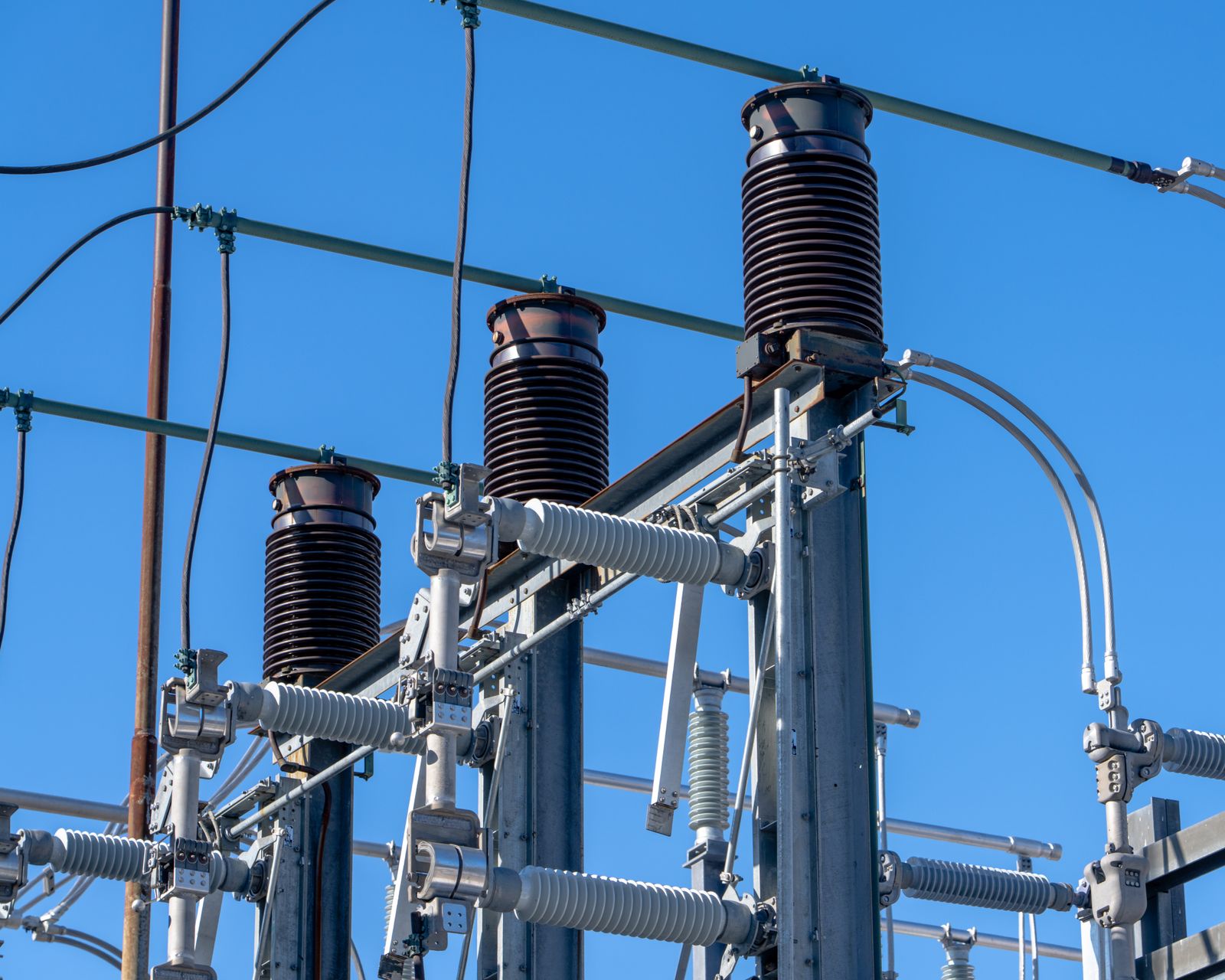
Featured image: Phil Evenden · Pexels License. Stock photograph used for illustration.
